Beef jerky vs protein bars is a real debate worth having. Both are marketed as high-protein, convenient snacks for active people. The actual comparison on ingredients, protein density, sugar content, and cost tells a story that protein bar marketing does not want you to see.
Ingredient List Comparison
Pick up a popular protein bar and read the ingredient list. You will typically find 20 to 35 ingredients including protein isolates, sugar alcohols, artificial sweeteners, fiber additives, palm oil, and multiple stabilizers and preservatives. Most bars contain ingredients that require a chemistry background to understand.
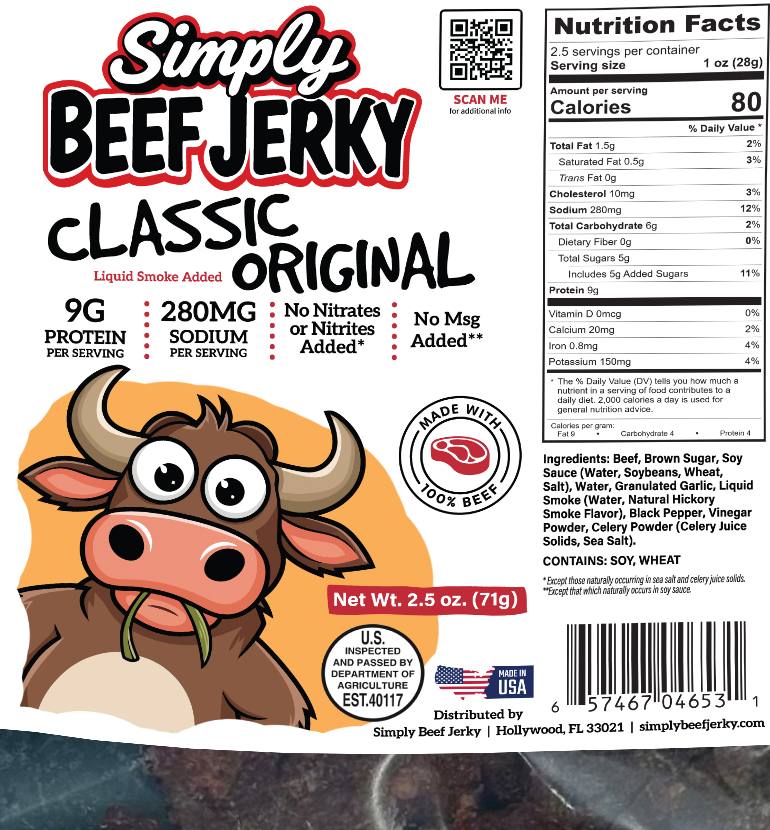
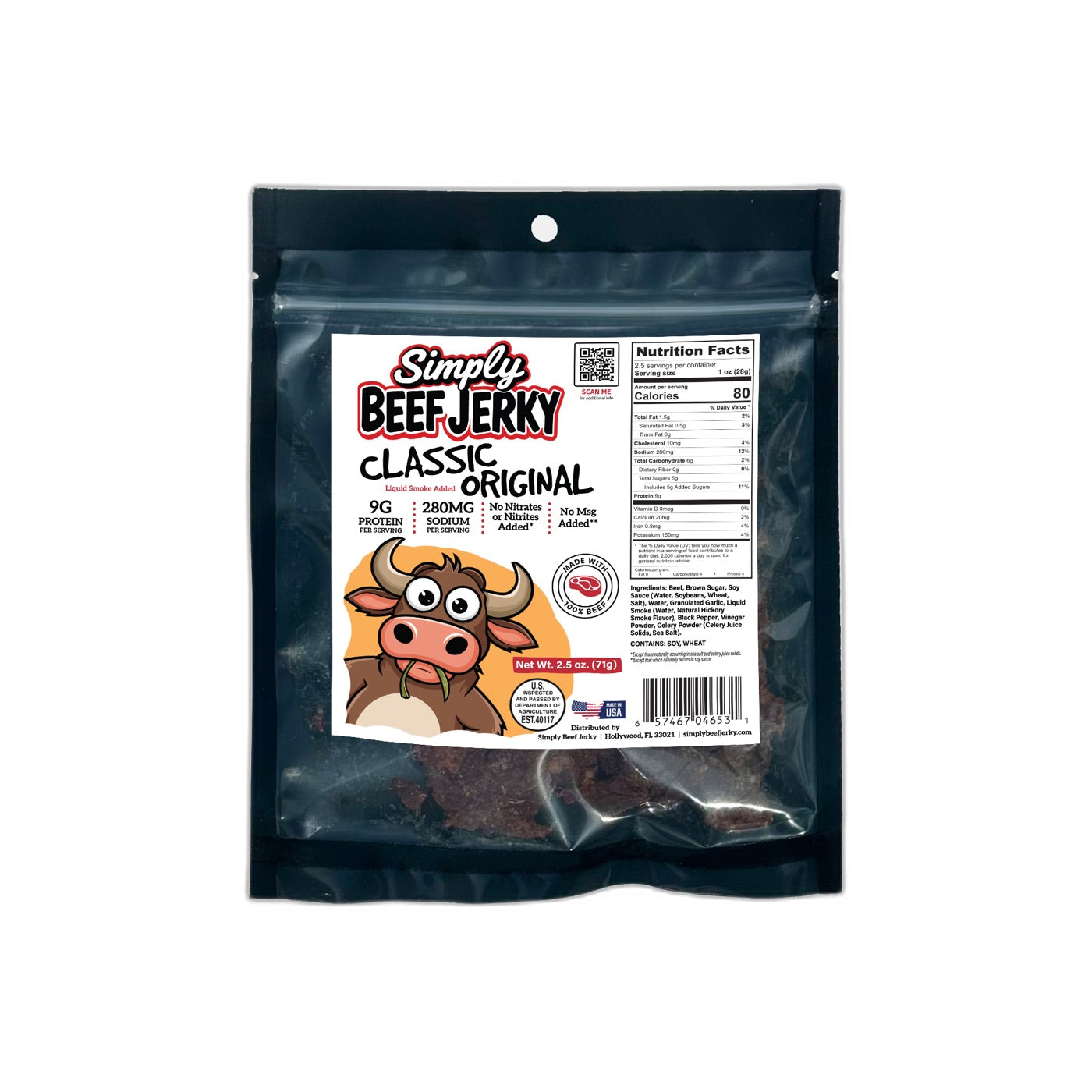
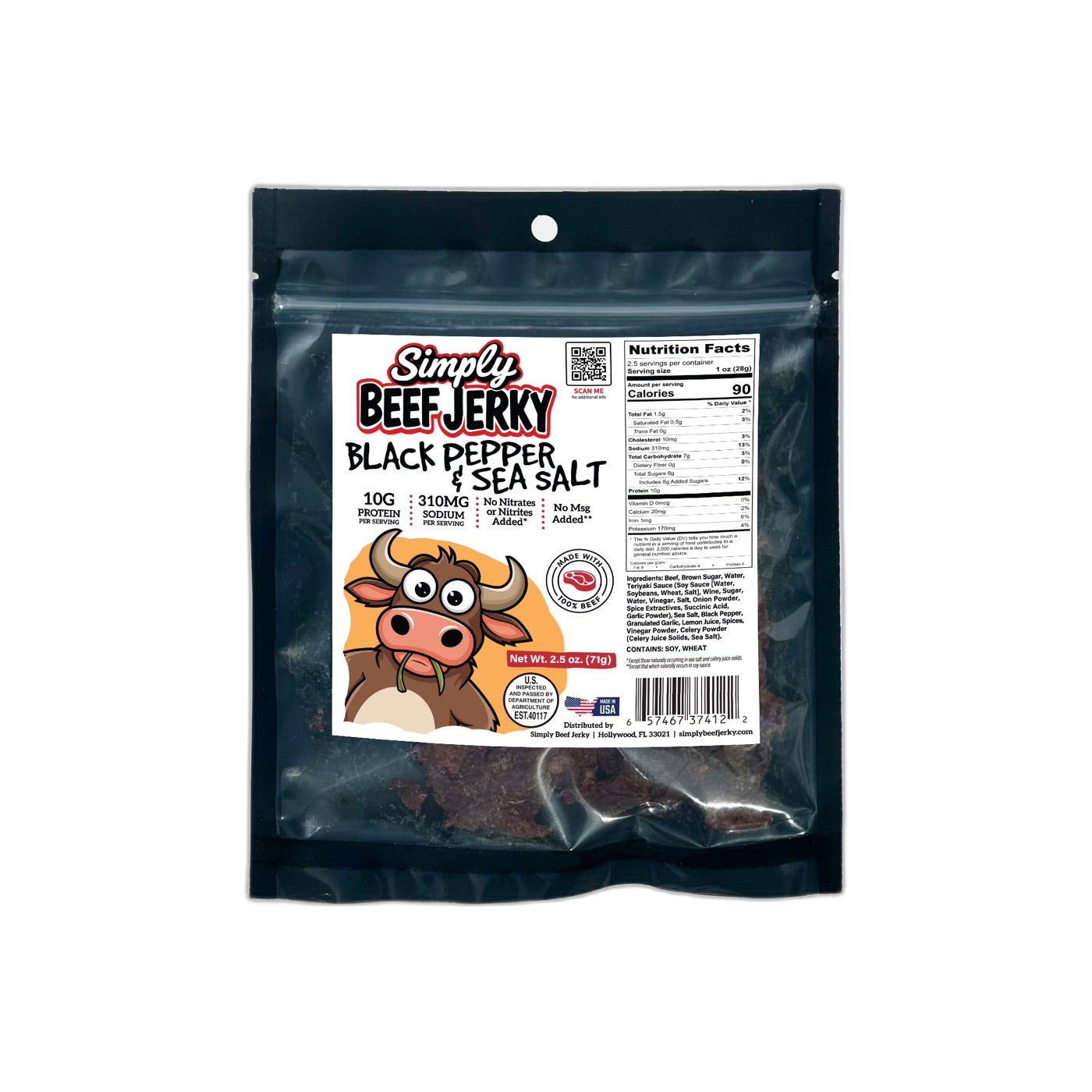
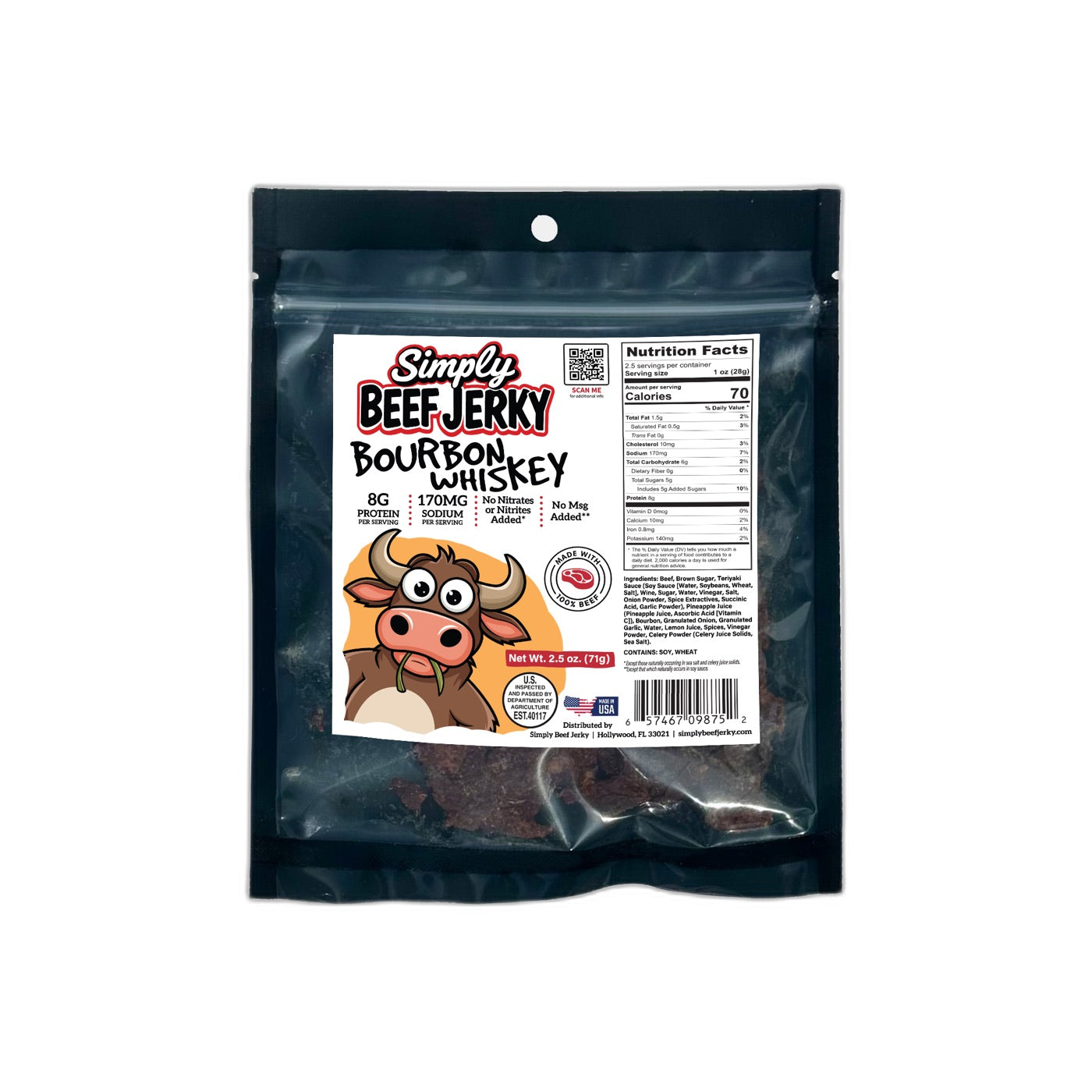
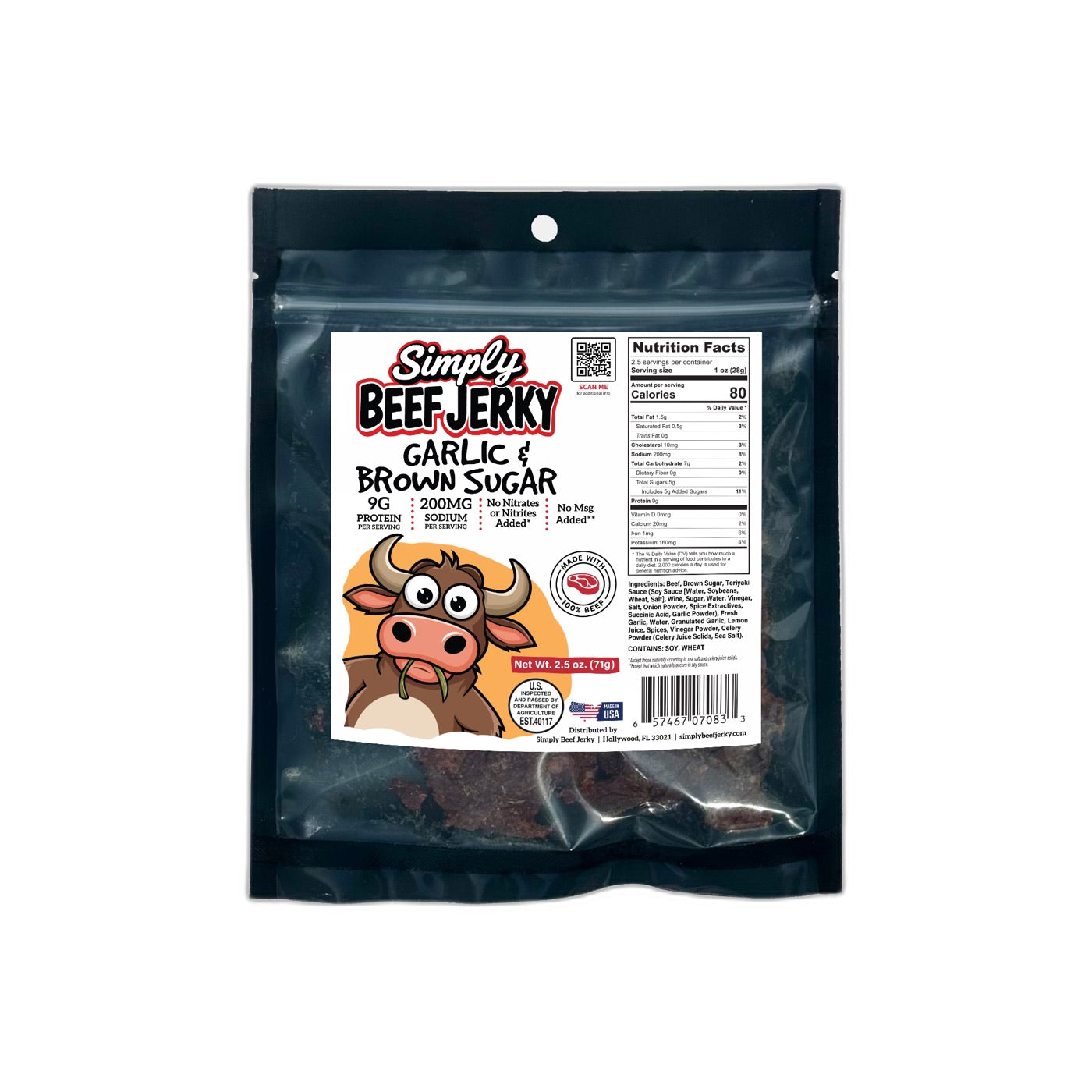
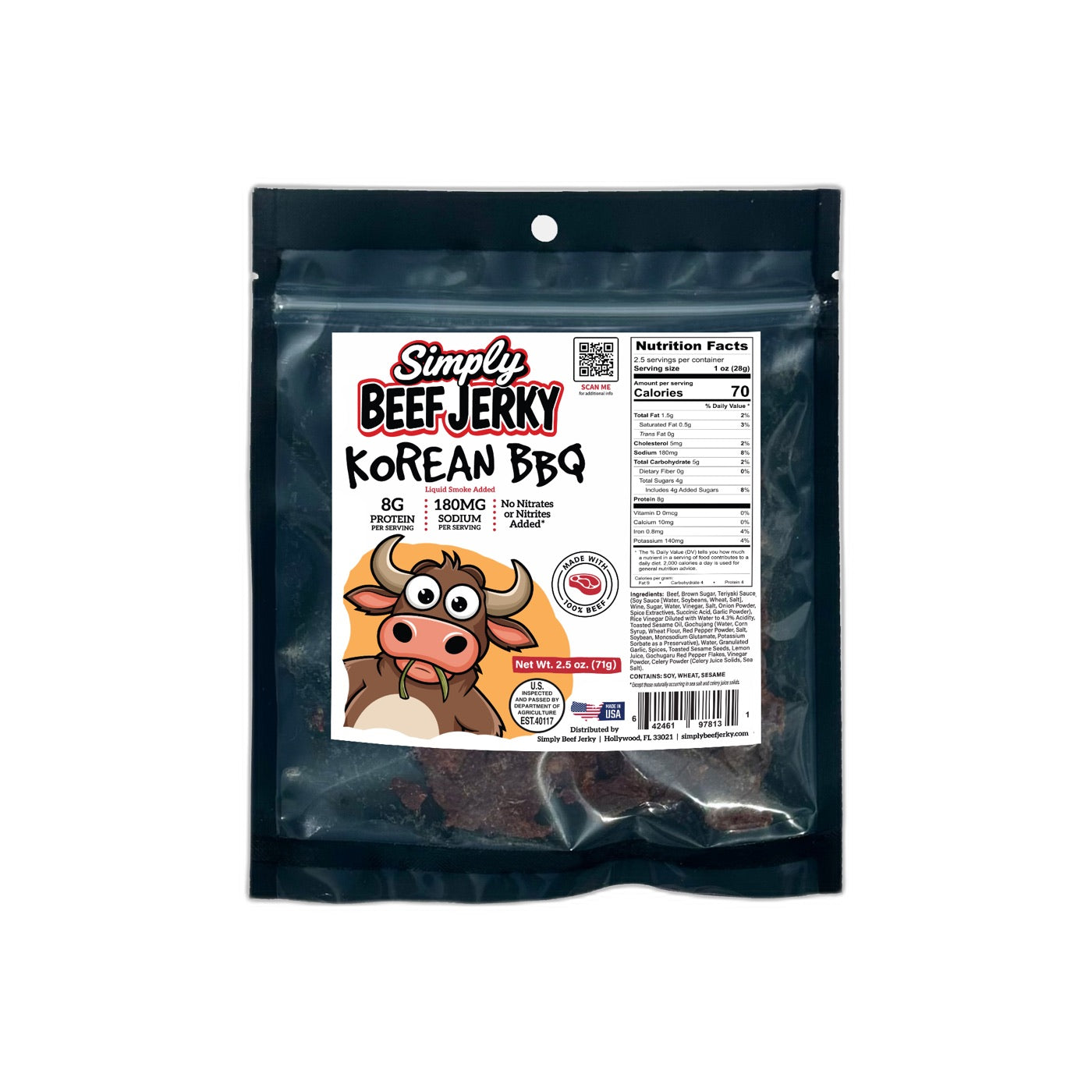
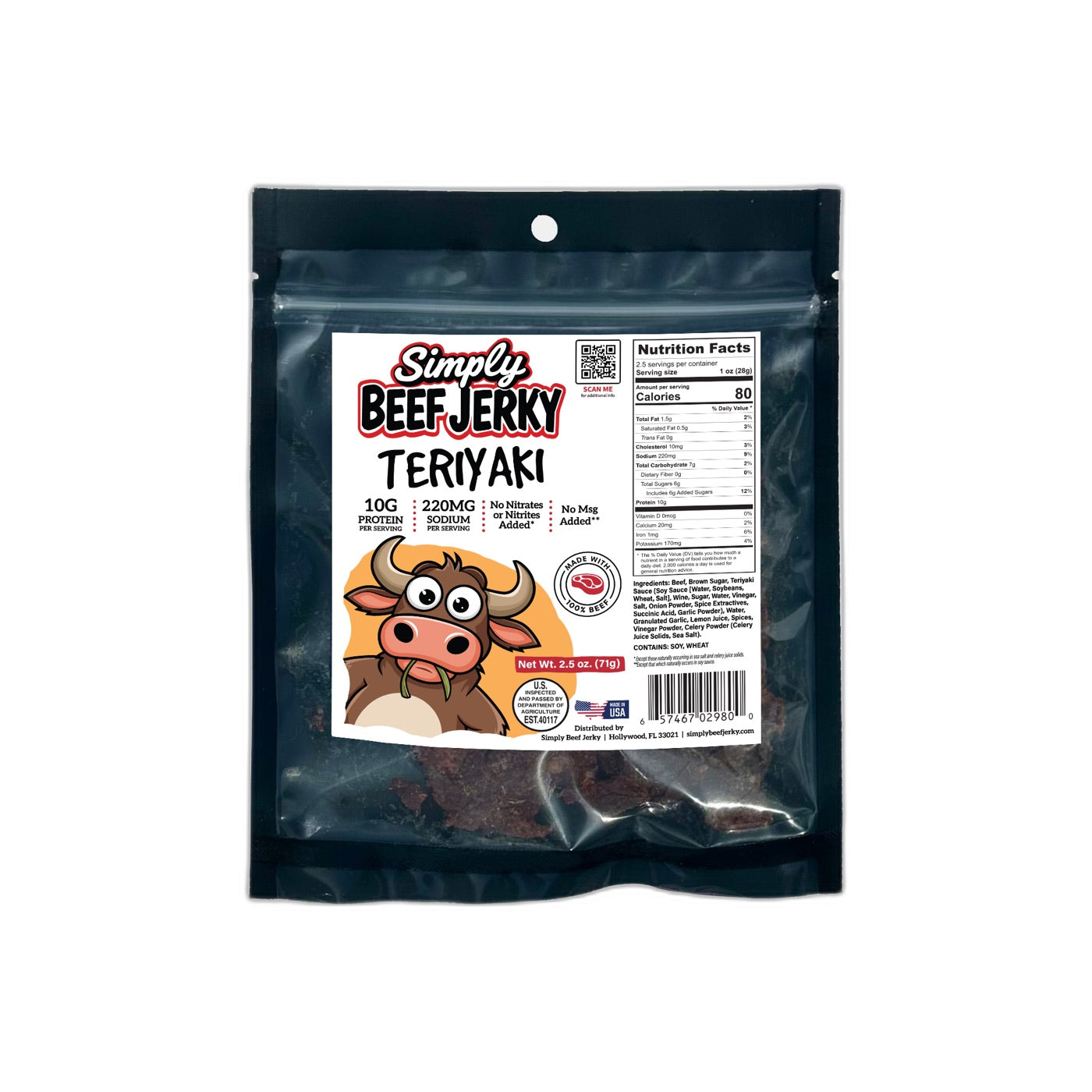
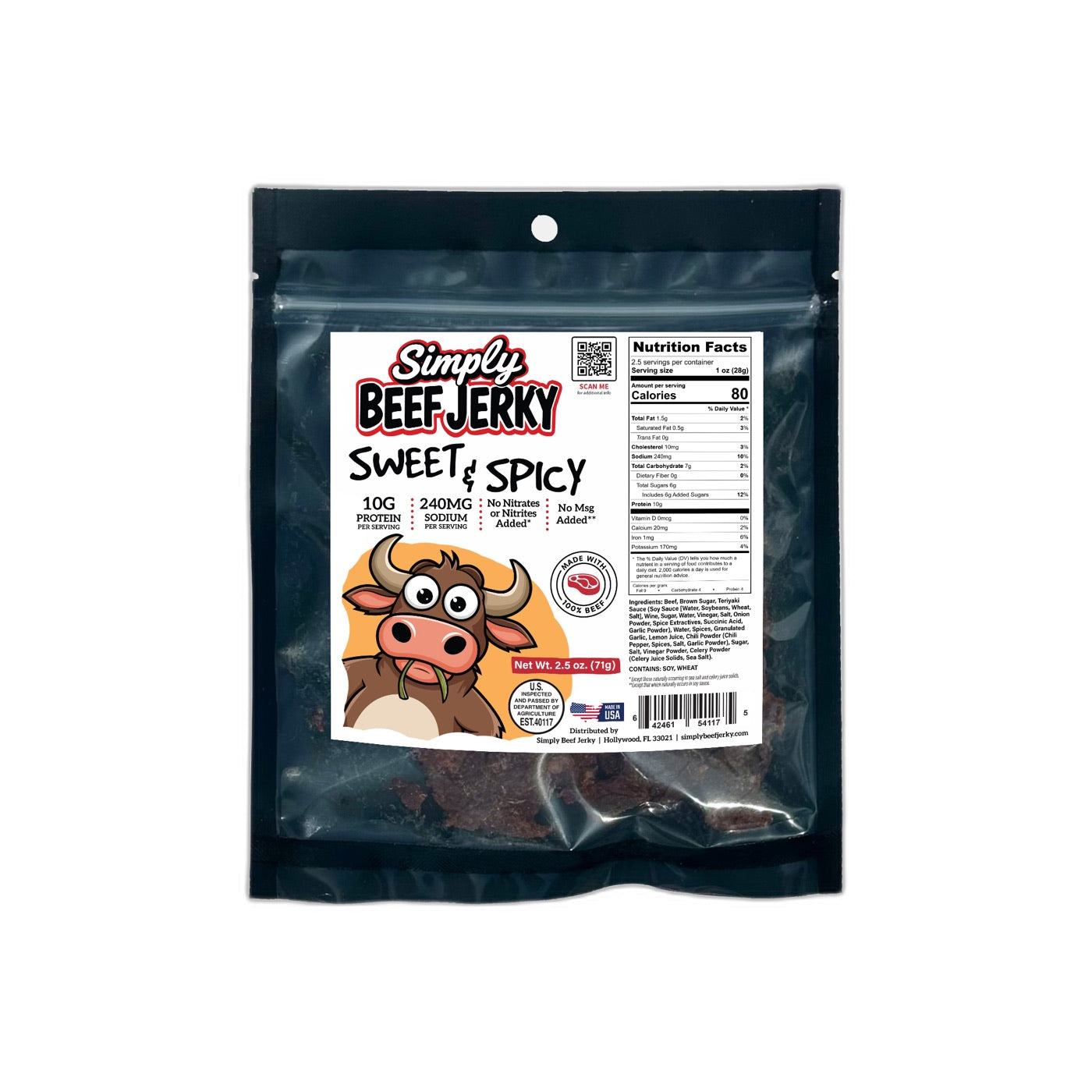
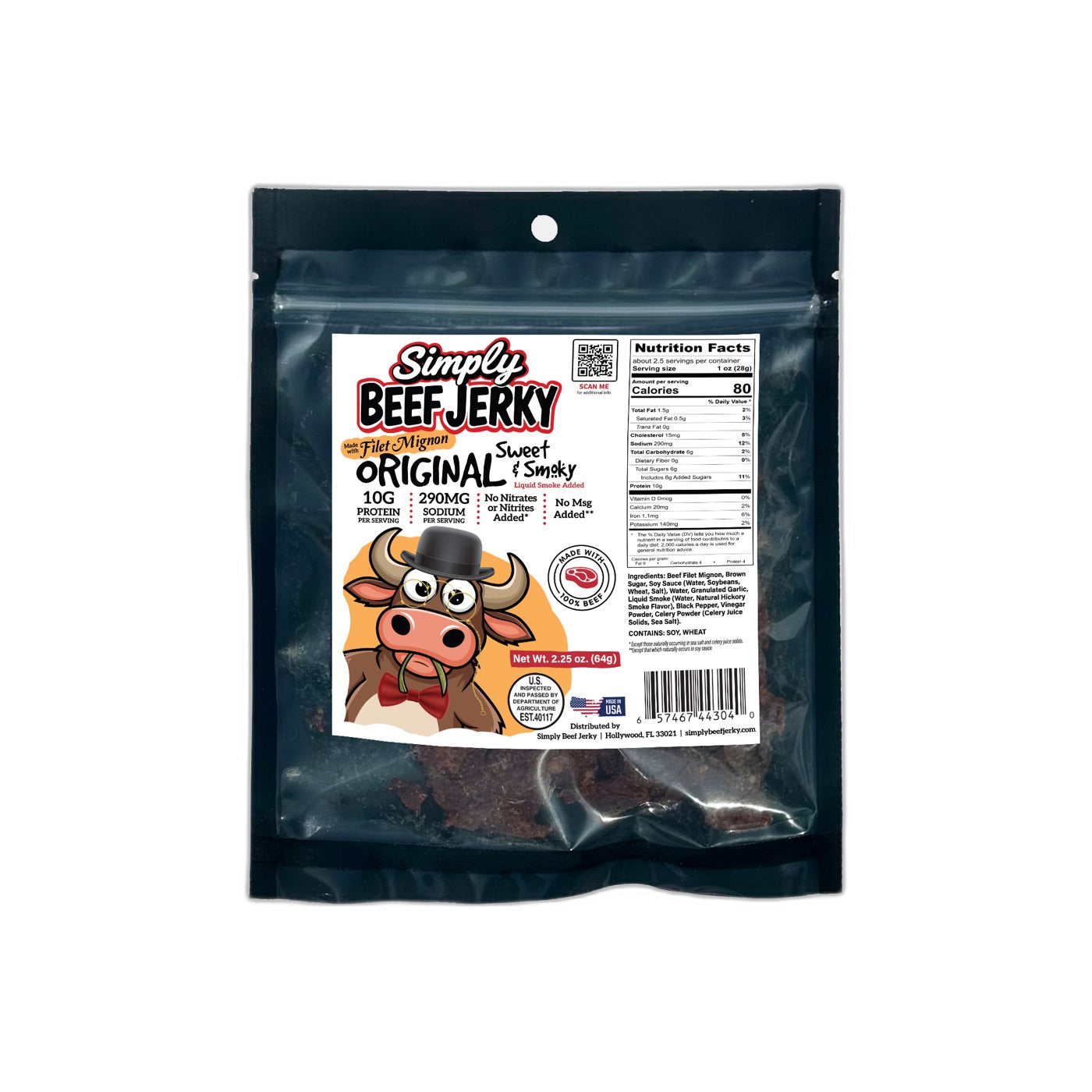
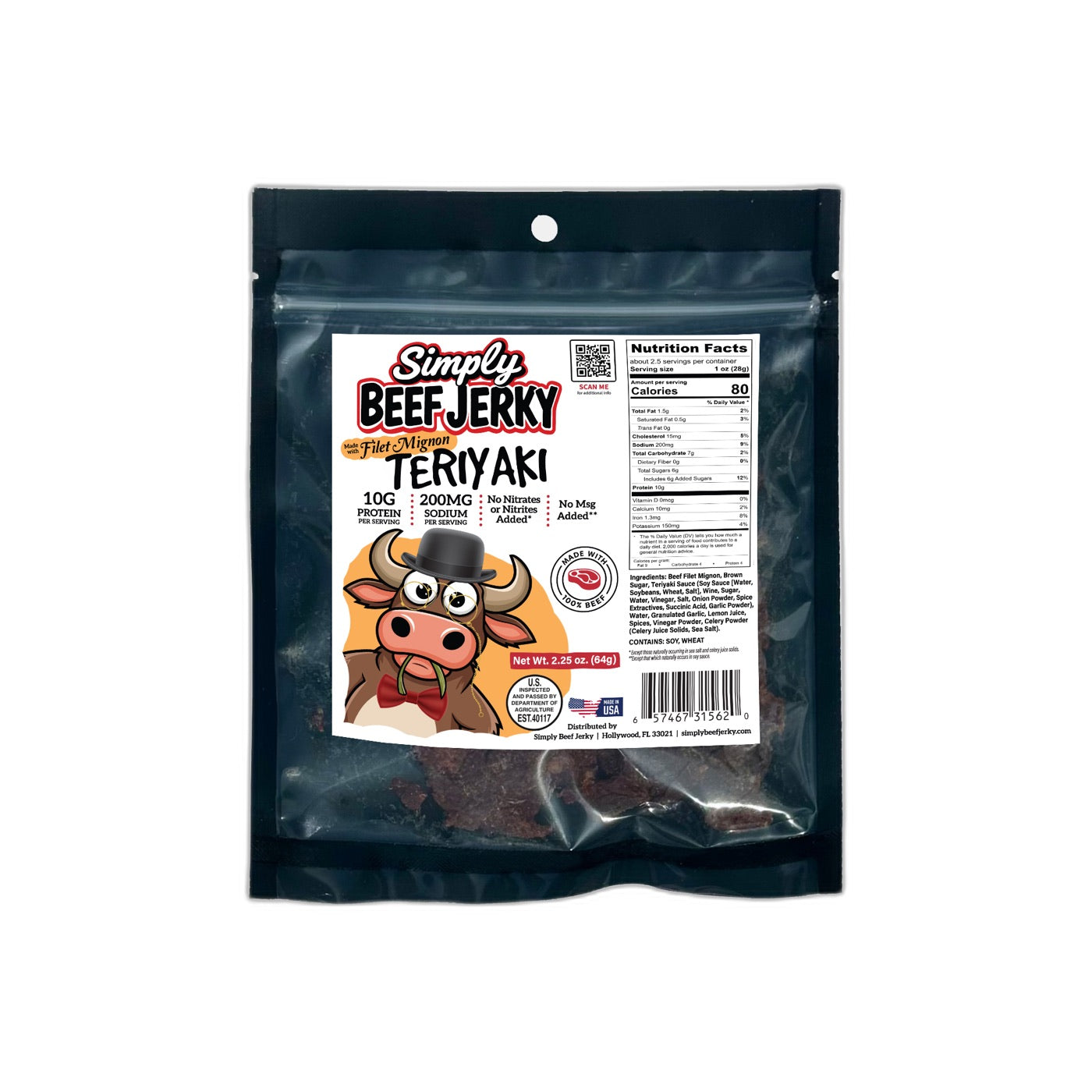
A bag of Simply Beef Jerky contains five to eight ingredients depending on the flavor, all of which are straightforwardly identifiable as food. Beef, soy sauce, salt, sugar, spices. That is it. The gap in ingredient quality is not subtle.
Protein Density: Who Wins
Protein bars typically deliver 15 to 25 grams of protein per serving at 200 to 250 calories. Simply Beef Jerky delivers 8 to 10 grams per ounce at 70 to 90 calories. At two ounces, jerky delivers 16 to 20 grams of protein at 140 to 180 calories.
Protein bars win on total protein per serving when eaten in one sitting. But on protein per calorie, beef jerky wins clearly. You get more protein for fewer calories, with a cleaner ingredient list and no sugar spike. For athletes tracking macros carefully, that ratio matters significantly.
Sugar Content: The Ugly Truth About Bars
The average protein bar contains 10 to 30 grams of sugar or sugar alcohol per serving. Many of the most popular bars are closer to a candy bar in sugar content than to a legitimate high-protein food. Sugar alcohols like maltitol are used to reduce the sugar gram count on the label but cause digestive issues in many people when consumed in quantity.
Simply Beef Jerky contains 3 to 6 grams of carbohydrates per serving depending on the flavor, with natural sugars from the marinade rather than added sugar alcohols. The lower-carb flavors like Classic Original and Black Pepper and Sea Salt sit at the bottom of that range. No sugar crash, no digestive distress.
Portability and Convenience
Both are portable. But bars melt in heat, crumble in bags, and have a narrower temperature tolerance. A bag of Simply Beef Jerky that has been sitting in a hot car all afternoon is still perfectly fine. A protein bar in the same situation is a melted brick of chocolate-flavored foam.
Jerky also has a significantly longer shelf life, up to one year unopened versus the typical six to twelve months for protein bars, and does not require any of the careful packaging that prevents bars from getting crushed.
Cost Per Gram of Protein
Popular protein bars run $2 to $4 each and deliver 20 grams of protein per bar. That is $0.10 to $0.20 per gram of protein. Simply Beef Jerky at $10.99 for a 2.5-ounce bag delivers approximately 20 to 25 grams of protein total, working out to roughly $0.44 to $0.55 per gram of protein.
Protein bars win on pure cost per gram of protein, largely because they use cheaper protein isolates. If the quality of the protein source and the overall ingredient profile matter to you, the cost comparison looks different.
The Verdict
Protein bars win on total protein per serving and cost per gram. Beef jerky wins on ingredient quality, protein per calorie, sugar content, heat stability, and the fundamental distinction of being actual food rather than an engineered food product. For most active people who care about what they eat, beef jerky is the better daily snack. For anyone who needs maximum protein volume in one sitting without regard for ingredient quality, protein bars are a reasonable tool. See also our best high protein snacks guide for more comparisons.