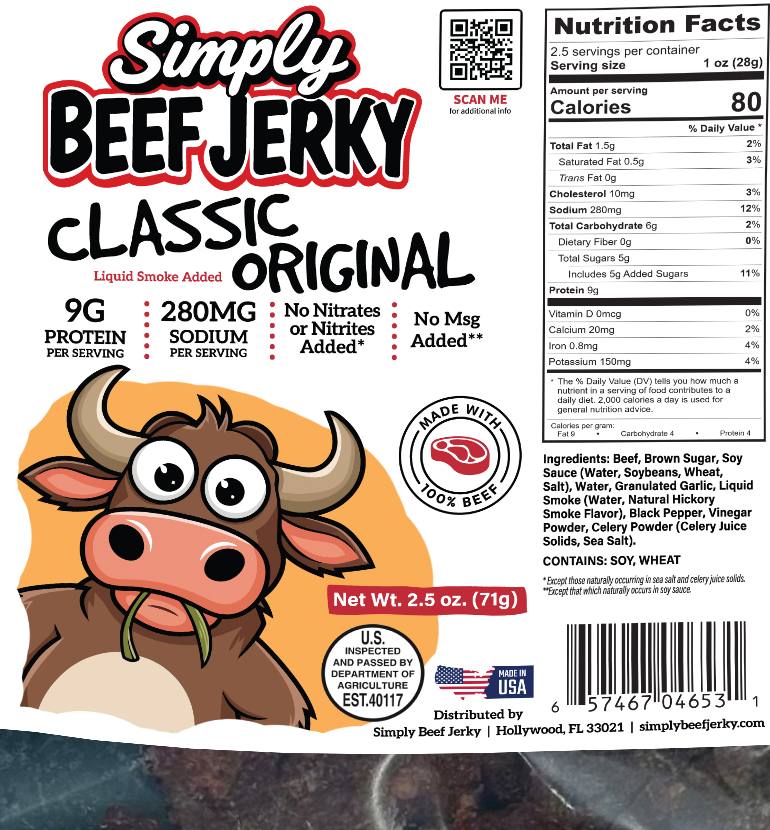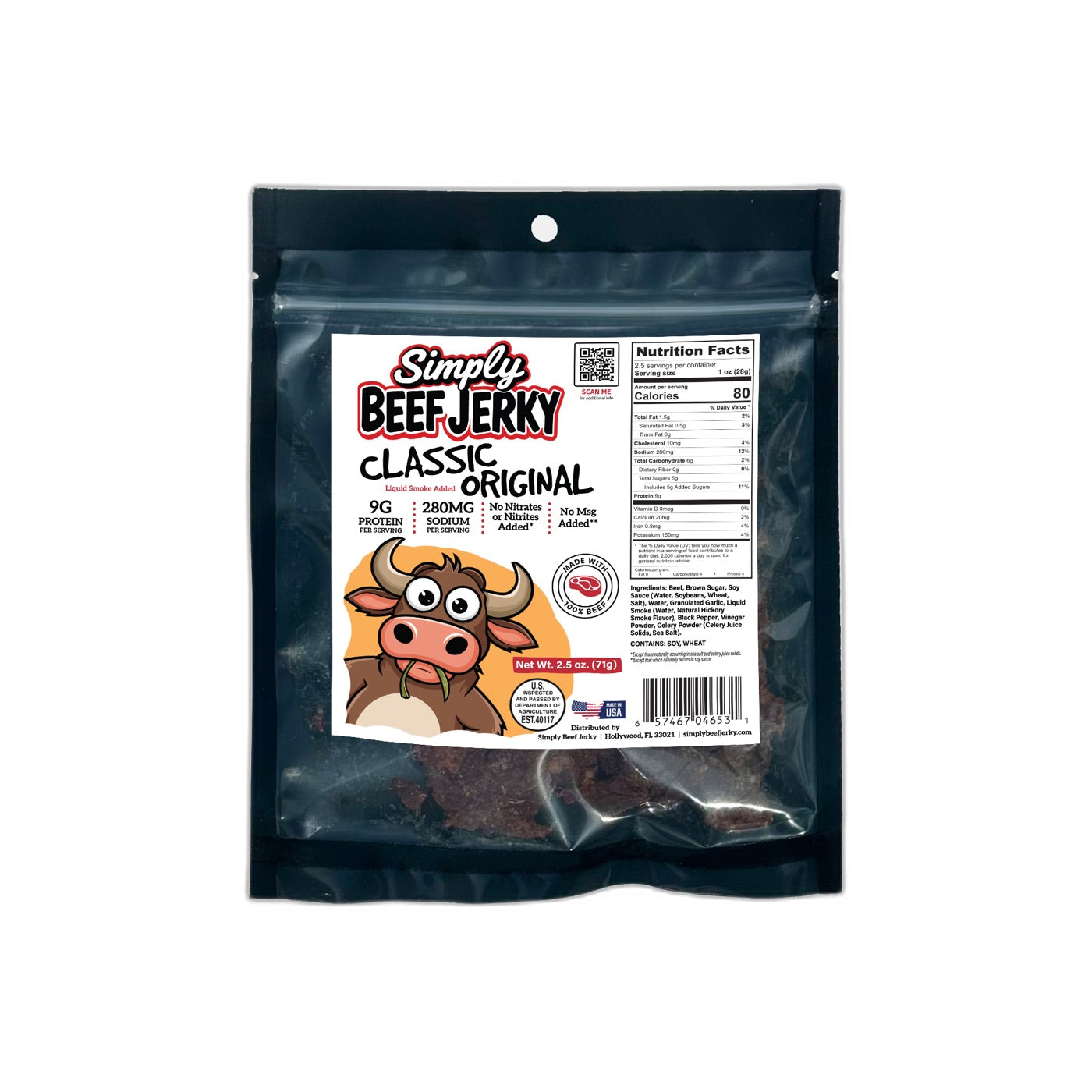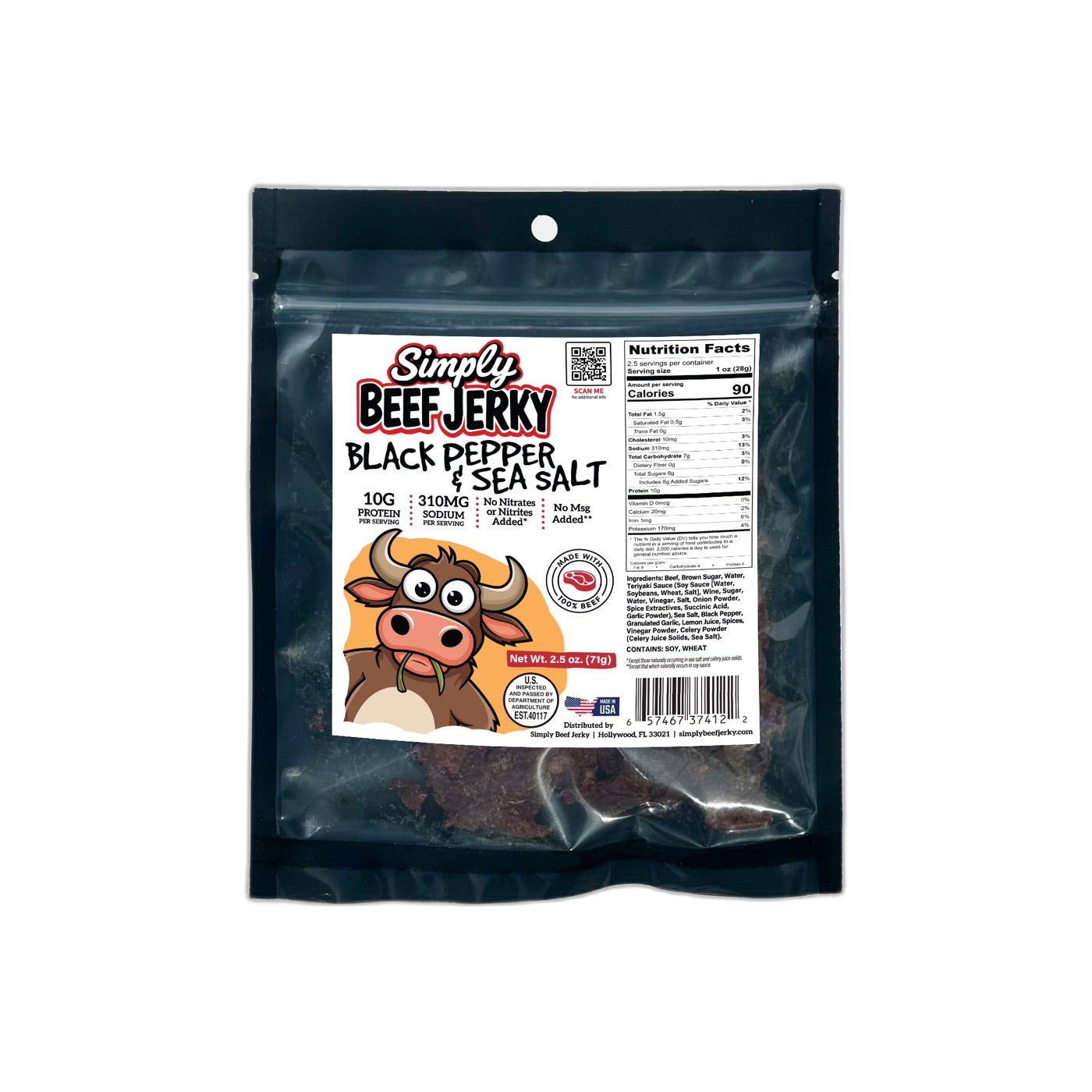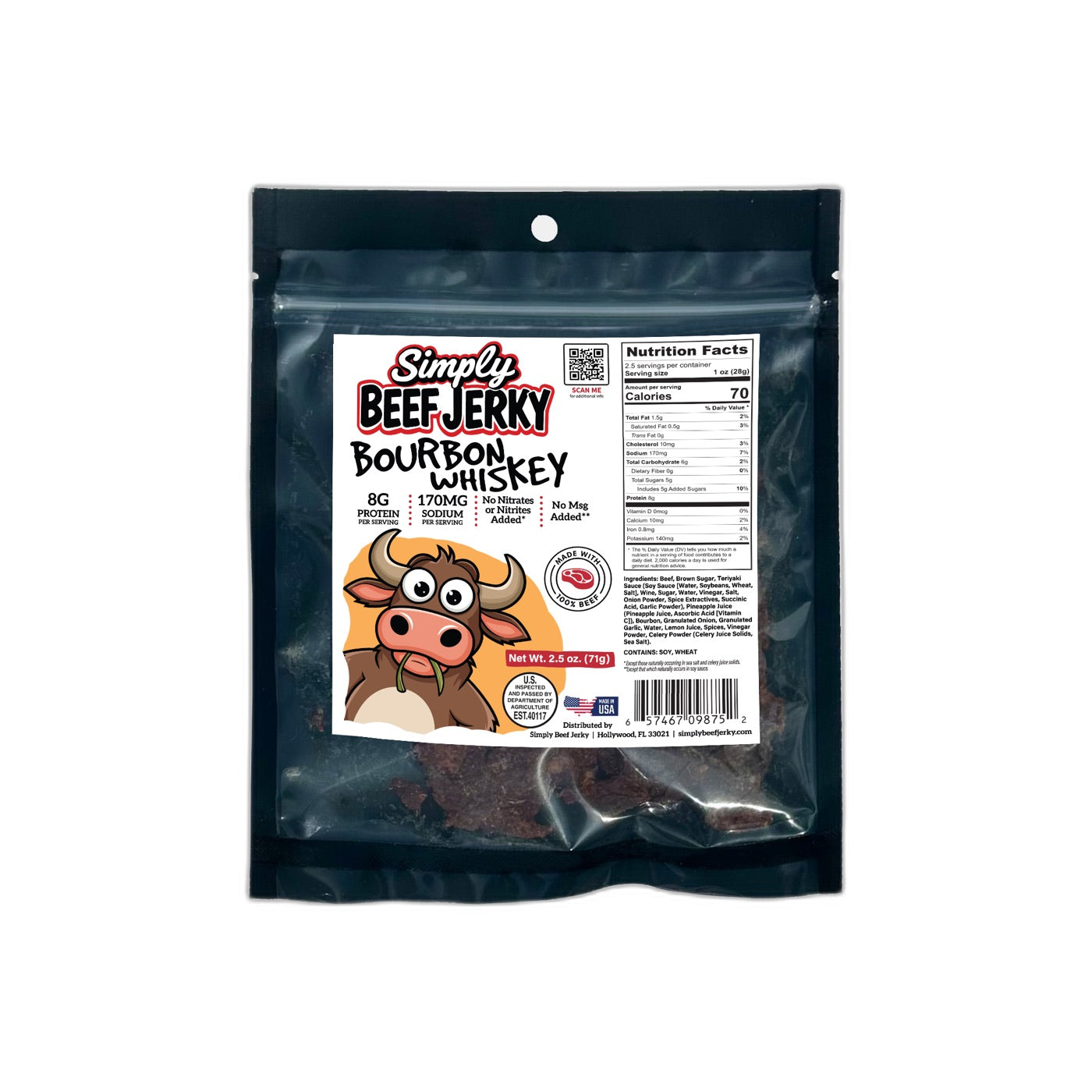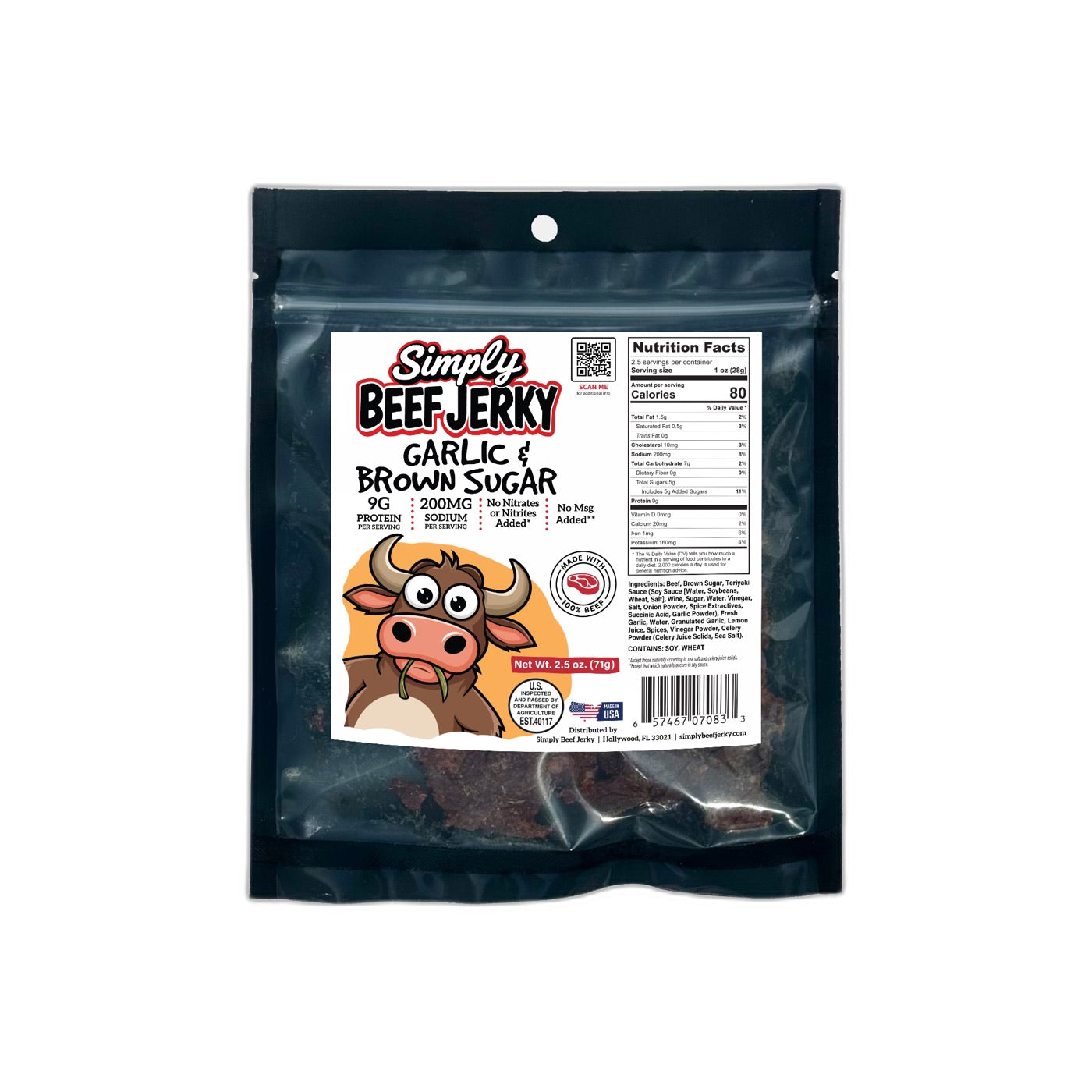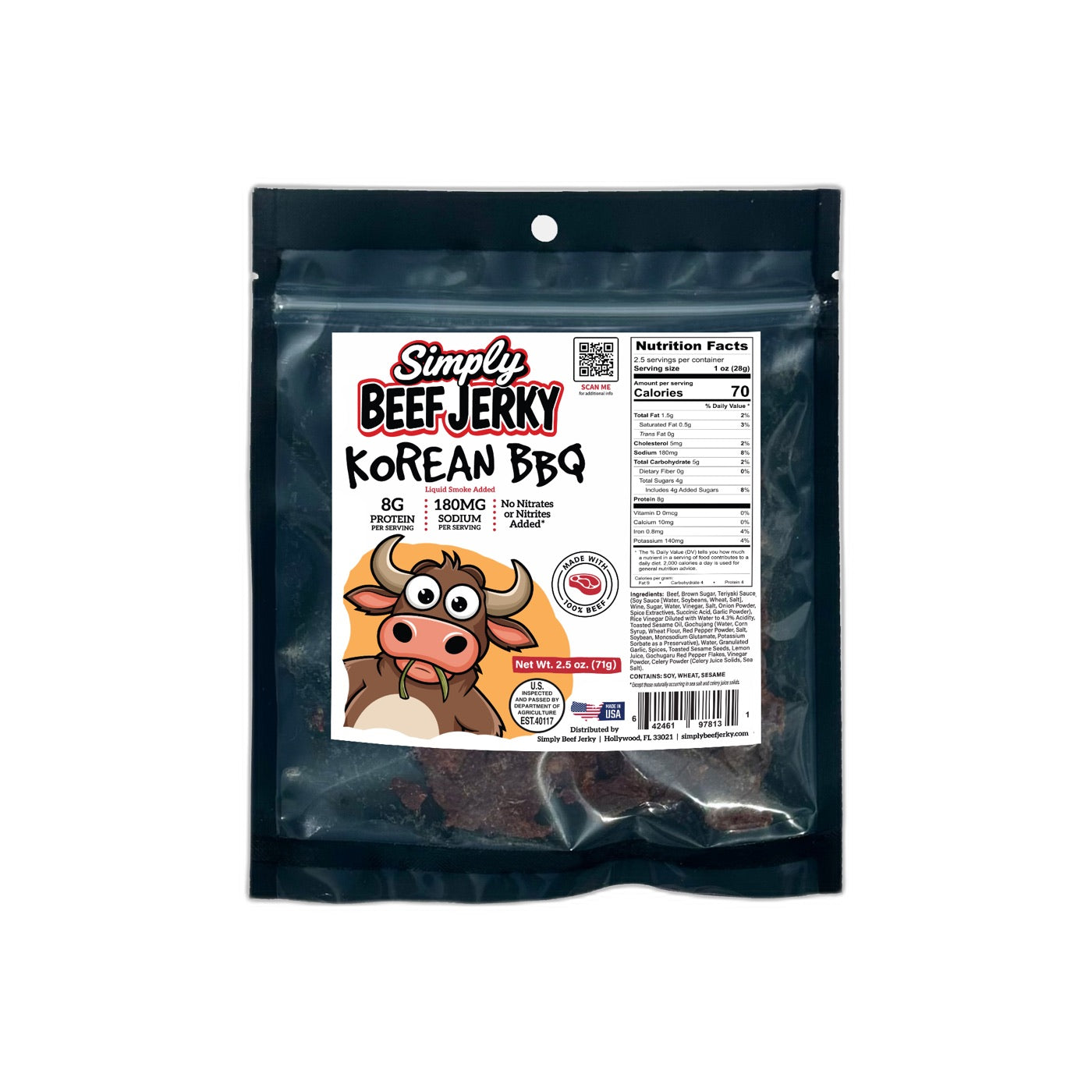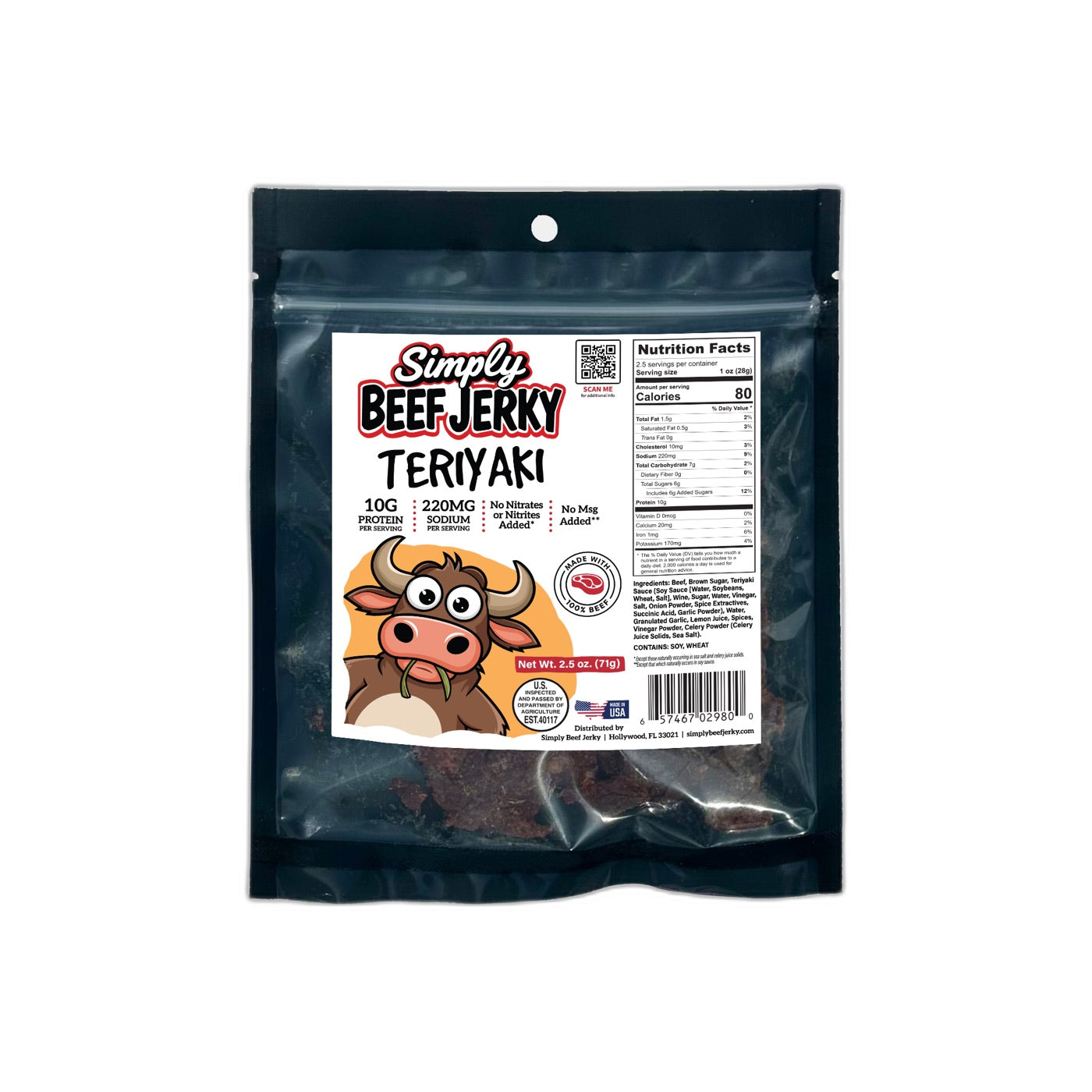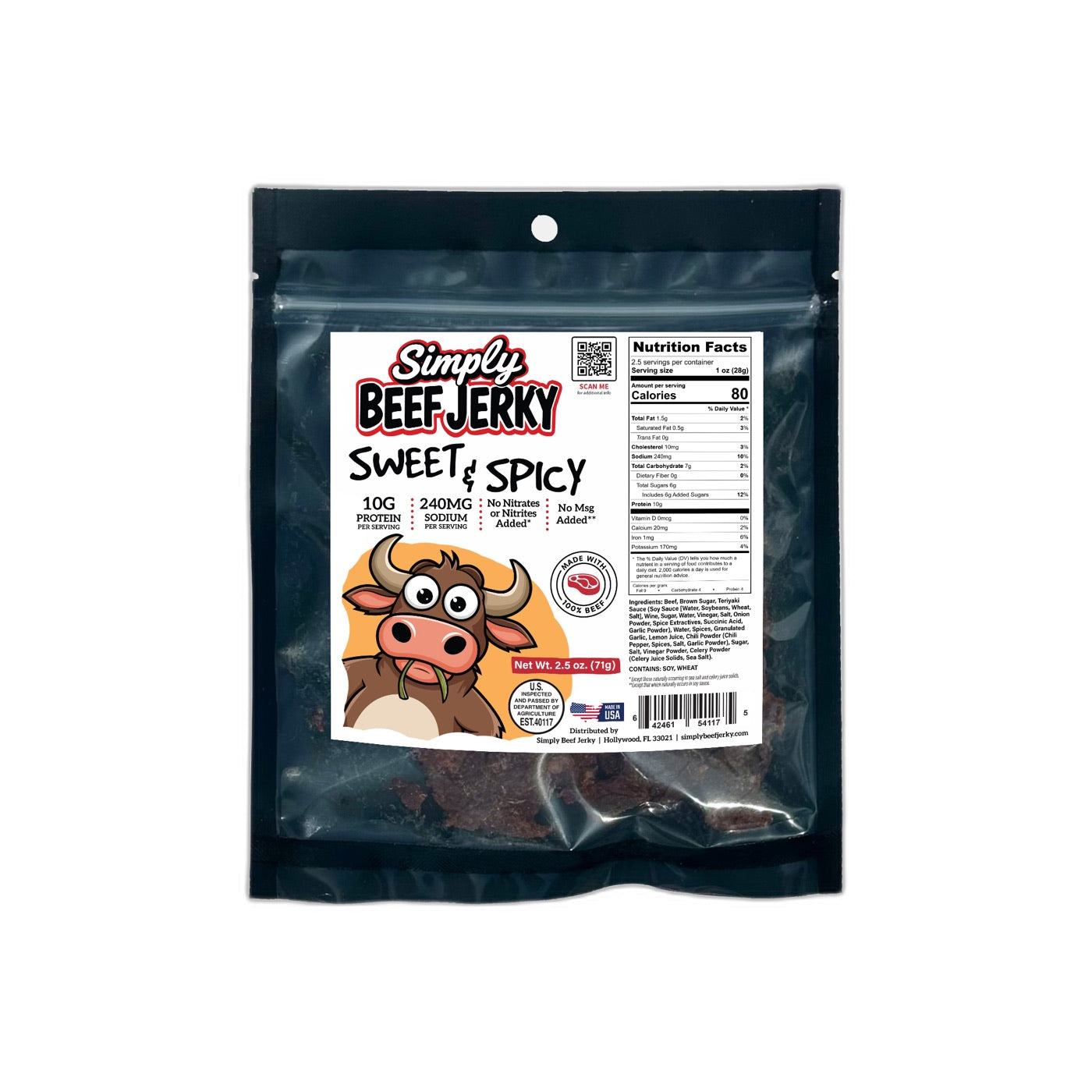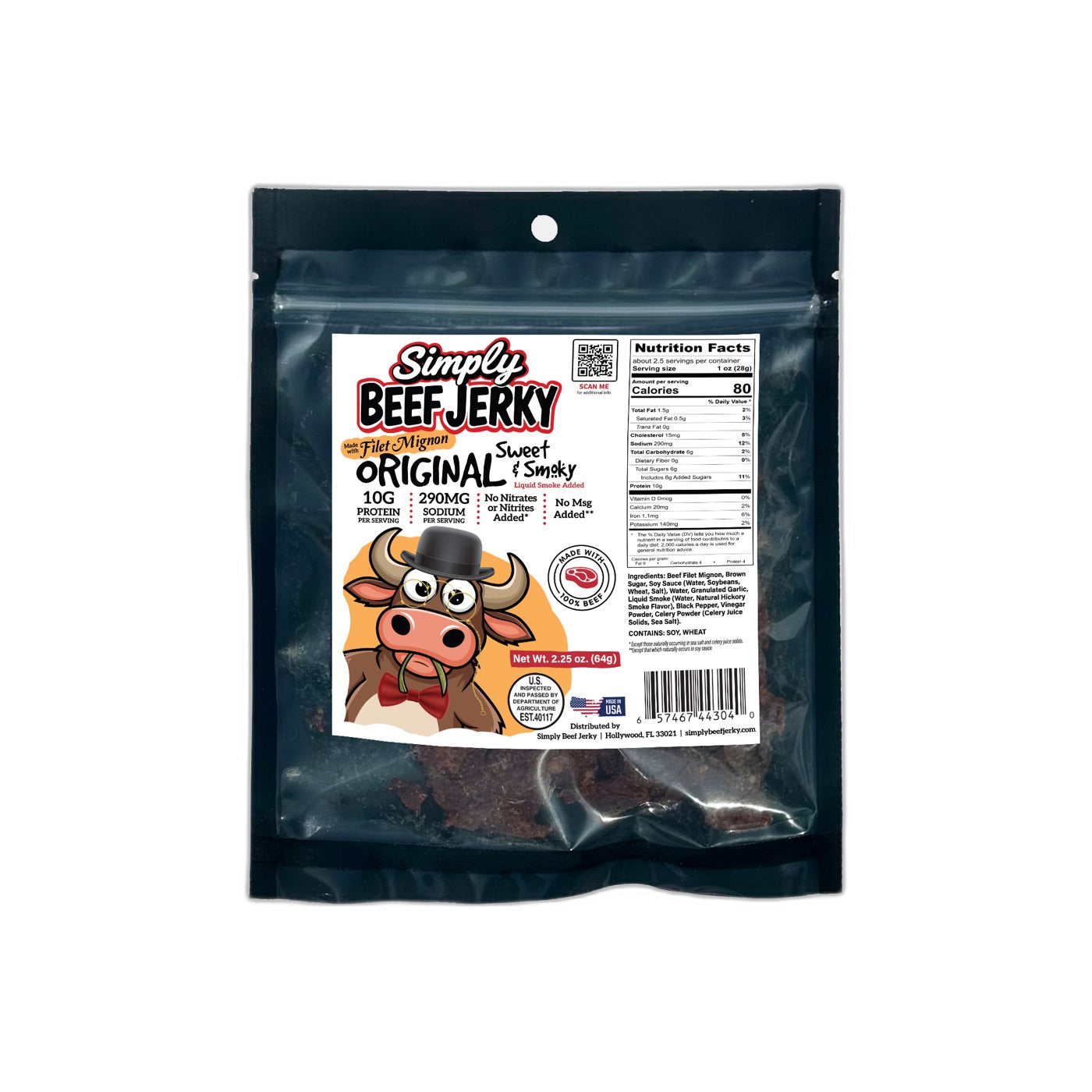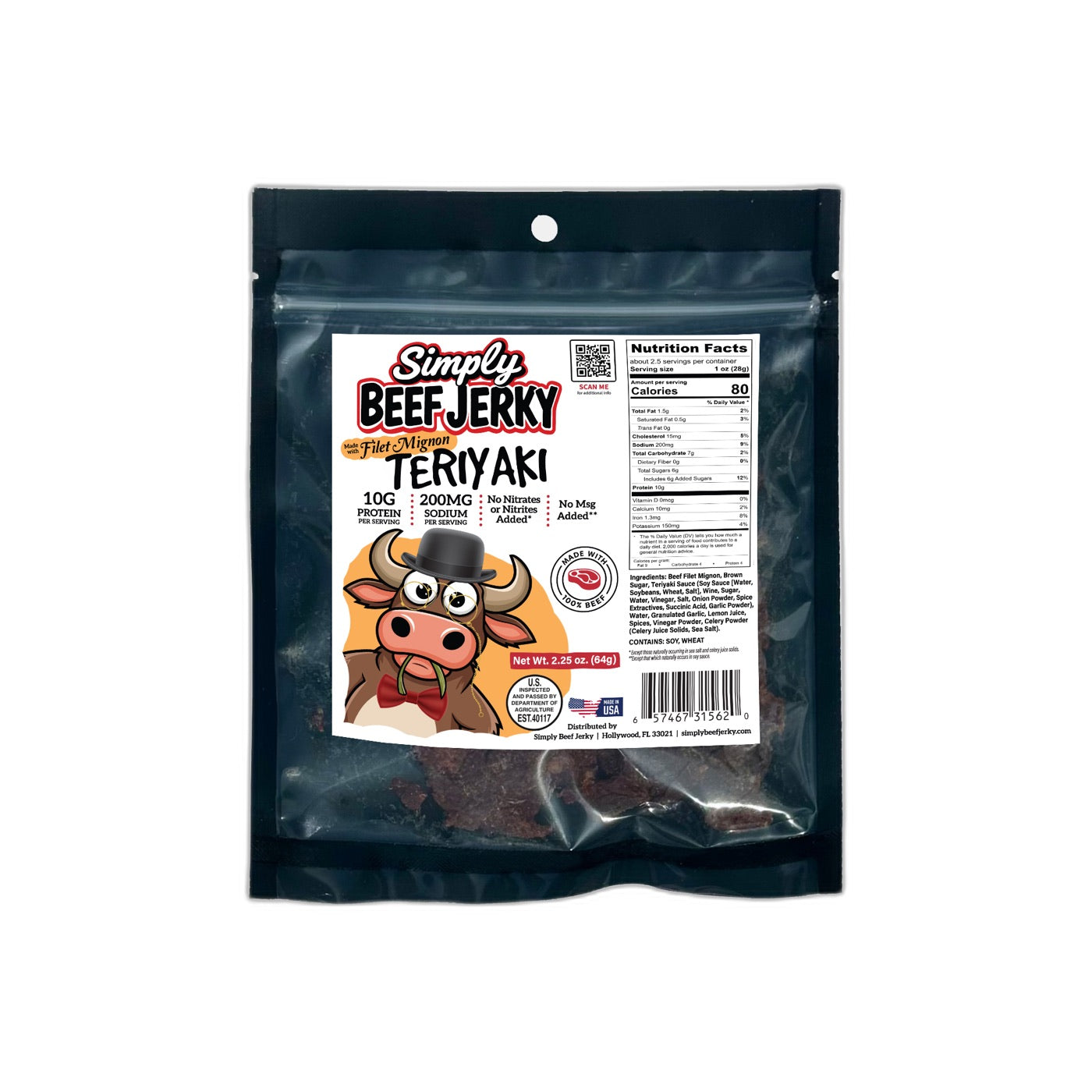
Knowing how to store beef jerky properly is the difference between eating it at peak quality and watching it go stale or worse. The rules are simple once you understand what jerky needs to stay fresh: minimal air, minimal moisture, and stable temperature. Here is the complete guide.
Before You Open: Keep It Sealed
An unopened bag of beef jerky stored in a cool, dry place can stay fresh for up to one year from the production date. Simply Beef Jerky bags are sealed with a printed best-by date, so you always know the timeline.
Before opening, the biggest threats are heat and direct sunlight. Both accelerate the breakdown of fats in the beef and can degrade flavor even through the sealed packaging. Keep bags in a pantry, cabinet, or drawer rather than on a countertop near a window or stove.
After Opening: Airtight Is Everything
Once you break the seal, eat within three days for best quality. If you will not finish the bag in that window, the most important step is getting it into an airtight environment. The original bag works if it has a resealable zip closure. If not, transfer the remaining jerky to a zip-lock bag and squeeze out as much air as possible before sealing.
Exposure to air accelerates oxidation and allows ambient moisture to enter the jerky, both of which degrade texture and flavor. An airtight seal after every serving is the single most impactful storage habit.
Refrigeration: The Smart Move
Storing opened jerky in the refrigerator in an airtight container extends freshness to one to two weeks. The cold slows microbial activity and oxidation. Jerky pulled from the fridge will be slightly firmer and drier than room temperature jerky, but flavor is preserved well.
If you buy jerky in bulk or tend to eat it slowly, the refrigerator is the right move. Bring pieces to room temperature before eating if you prefer the standard texture.
Can You Freeze Beef Jerky
Yes. Properly sealed beef jerky can be frozen for up to six months without significant quality loss. Use a freezer-safe zip-lock bag, remove as much air as possible, and label it with the date.
To thaw, leave it at room temperature for 30 to 60 minutes. Do not microwave to thaw as this introduces steam which rehydrates the jerky unevenly. The texture after freezing and thawing is slightly softer than fresh jerky but still perfectly good.
What Ruins Beef Jerky Fastest
Three enemies in order of damage speed:
- Moisture rehydrates the jerky surface and creates conditions for mold
- Air drives oxidation that turns fats rancid and dulls flavor
- Heat accelerates both of the above while also degrading texture
Light is a secondary concern for long-term storage. Store jerky in an opaque container or dark place when keeping it for more than a few days. For more on how long beef jerky lasts under different conditions, see our complete shelf life guide.